
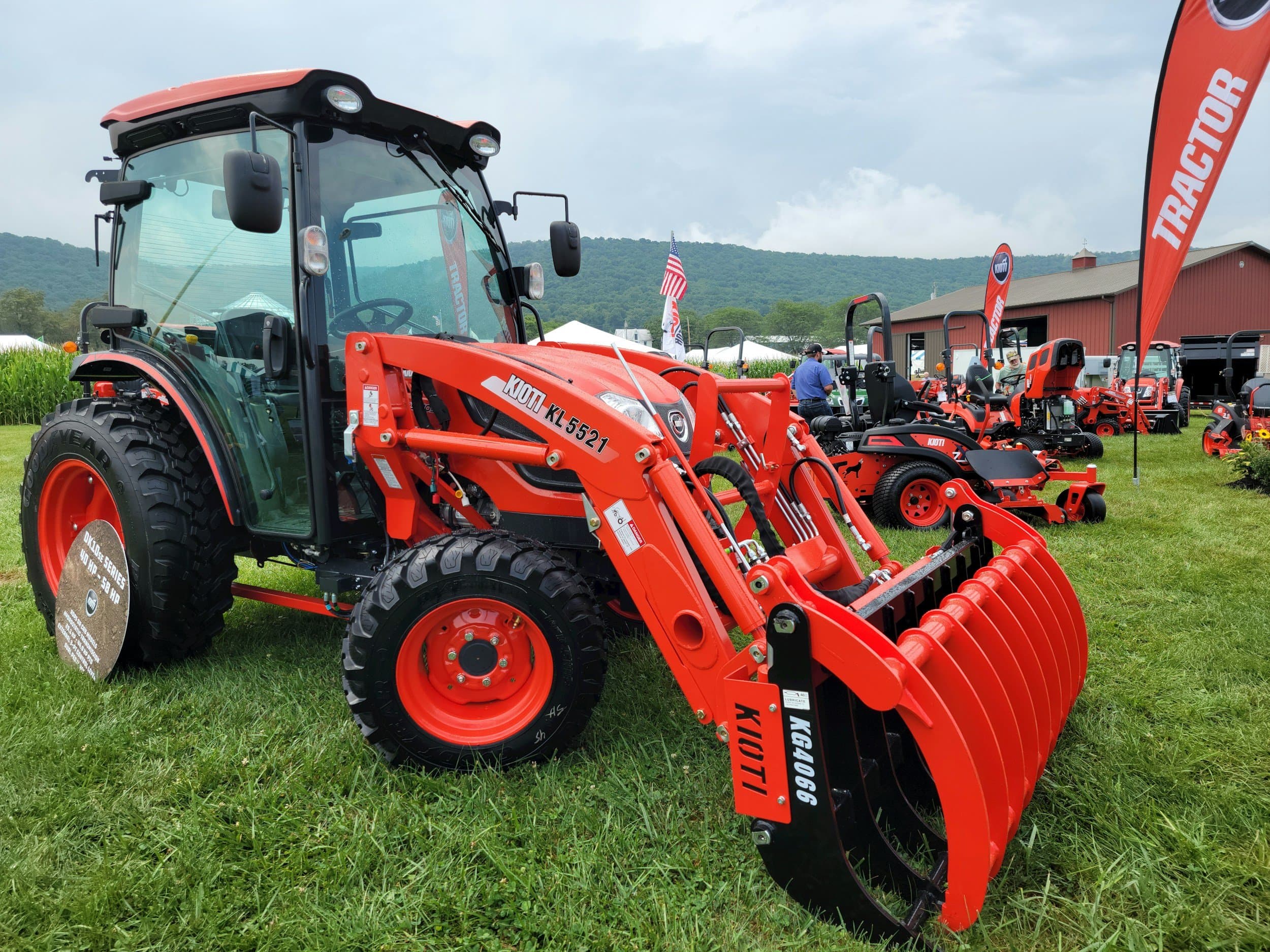
Why tractor remapping is priced on application
Tractor remapping prices vary based on the tractor size, ECU complexity, travel required, and whether Adblue or DPF work is needed at the same visit. We do not publish a standard rate card because a Kubota compact tractor and a John Deere 9R are not the same job.
What we can tell you: the price is almost always paid back in fuel savings within one season for a tractor in regular use, and often within a few months on a high-utilisation machine.
What affects the cost of a tractor remap
Tractor size and ECU complexity: A large tractor with a sophisticated Stage V engine management system takes more time and specialist equipment than a compact tractor. The price reflects this.
Travel distance: We come to the farm. For farms close to Pontypool or Bristol, travel cost is minimal. For farms further afield, a small per-mile callout applies. For large fleet jobs, travel cost is shared across multiple machines.
Number of machines: Fleet pricing applies when multiple tractors are remapped on the same farm visit. The more machines, the better the per-machine rate.
Adblue, DPF, or EGR work: If emissions system fault resolution is needed alongside the remap, this adds to the cost but is significantly cheaper than two separate farm visits.
How to calculate the return on investment
The ROI from a tractor remap is driven by fuel savings. The calculation:
Annual fuel saving = Tractor fuel consumption (litres/hour) × saving % × annual hours × fuel cost per litre.
Example: A 200hp tractor burning 18 litres per hour, 10% saving, 500 annual hours, £0.90/litre red diesel:18 × 0.10 × 500 × £0.90 = £810 per year in fuel saved.
If the remap costs £400–600 (illustrative), payback is 6–9 months. Year-on-year saving continues for the life of the tractor.
On larger tractors with higher annual utilisation, the payback is faster and the long-term saving is significantly larger. A 300hp tractor burning 25 litres per hour across 800 annual hours saves £1,800/year at the same 10% figure.
Fleet pricing — the best value per machine
When multiple tractors are remapped on the same farm visit, the per-machine cost reduces significantly. We share the travel and setup cost across the fleet, and the time on-farm is used more efficiently.
For a farm running 4–8 tractors, a single fleet visit produces the best per-machine price and the lowest disruption to farm operations. We plan the visit around the farming calendar — avoiding the busiest periods and fitting around planned maintenance where possible.
No upfront fees — honest pricing before work starts
We do not charge upfront fees for attending the farm. You receive a clear price before any work starts. If we attend the farm and the diagnostic assessment reveals a problem that makes remapping inadvisable, we tell you — and you are not charged for a remap that was not done.
For fleet jobs, we agree the price for the full fleet before we attend. No surprises on the invoice.
Common Questions
Is tractor remapping worth the cost?
For tractors in regular use, yes — the fuel saving typically pays back the cost within one season. High-utilisation tractors (300+ hours per year) on larger farms see the fastest payback and the largest absolute saving over time.
Do you charge a callout fee if the tractor can't be remapped?
No. If we attend the farm and the diagnostic assessment shows the tractor is not suitable for remapping at that time, we do not charge for a remap that was not performed.
Is there a discount for remapping multiple tractors on the same visit?
Yes — fleet pricing applies for multiple tractors remapped at the same farm visit. The per-machine cost reduces with volume as the travel and setup cost is shared.
Can I bring small tractors to your workshop?
Yes — compact tractors and smaller machines can be driven or transported to our Pontypool workshop. Workshop remaps attract lower cost than mobile visits for comparable machine sizes.
Do you charge separately for Adblue or DPF work?
Yes — emissions system fault resolution is priced separately from the remap but is significantly cheaper in a combined farm visit than as a separate attendance.