
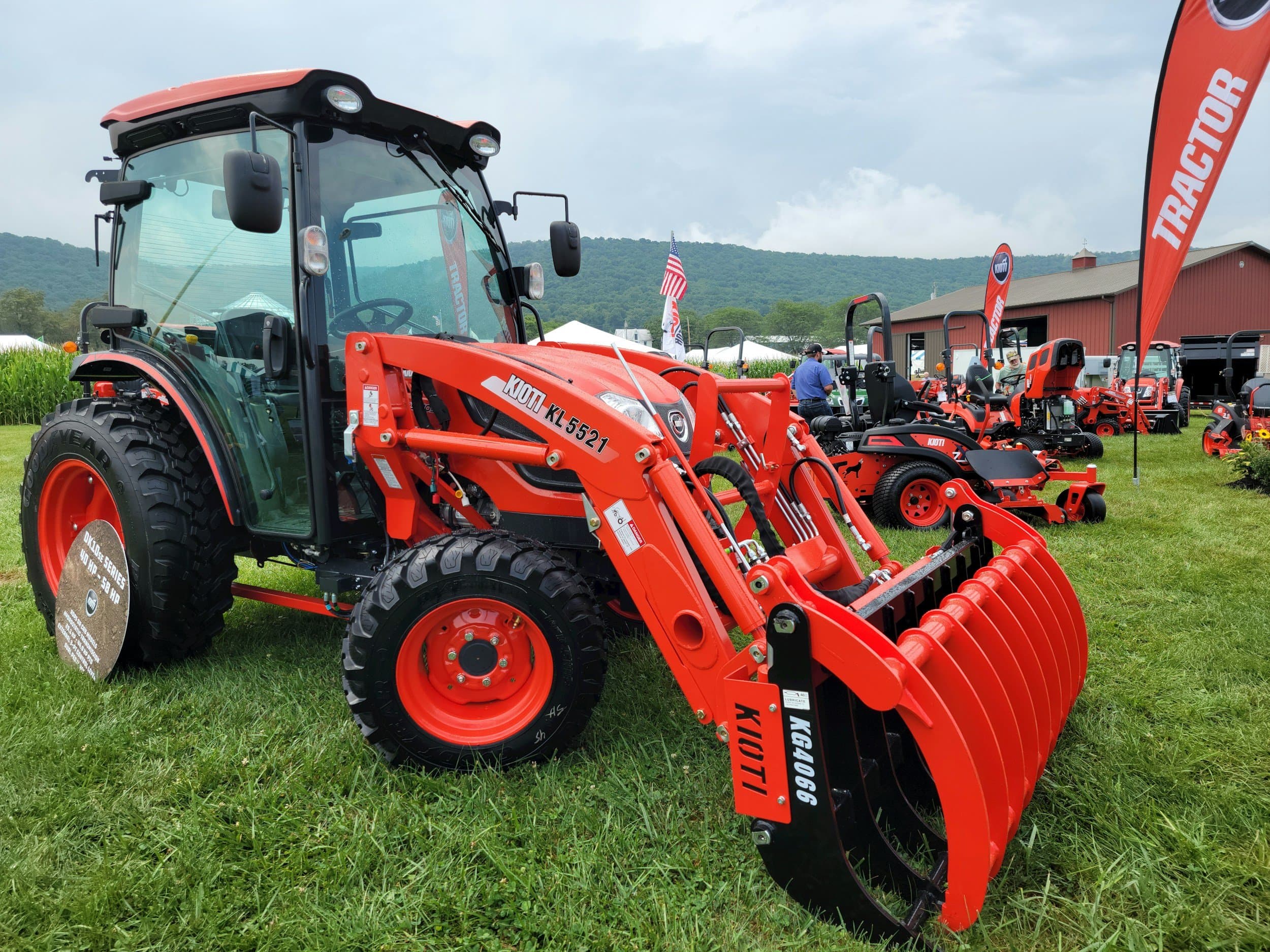
What a tractor remap actually does
Every modern tractor has an Engine Control Unit — a computer that controls fuel injection, turbocharger boost, and power delivery across the full engine operating range. The ECU runs on a map: a set of calibration values that tell the engine how to behave under every combination of load, throttle, and engine speed.
Remapping replaces the factory map with a new, optimised calibration. No hardware changes, no physical modifications to the engine or fuelling system. The change is entirely in the software — the calibration written to the ECU.
The result: more torque where the tractor actually works (low RPM, high load draft conditions), better fuel efficiency from improved combustion, and sharper throttle response across all operations.
Why the factory map is conservative
The same John Deere 6R or New Holland T7 tractor is sold in Germany, India, Brazil, and the UK. It must run correctly on different fuel quality, in different climates, with different operators, and meeting different emission regulations. The manufacturer writes a single map that works safely in all conditions — including the worst-case scenario.
For a well-maintained tractor on a UK farm using clean fuel, that factory conservatism leaves real performance on the table. The engine is physically capable of more torque and better fuel efficiency than the factory map permits. A remap removes those restrictions for the conditions the tractor actually operates in.
What gains are realistically achievable
The Remap Centre tractor page quotes up to 35% more low-end torque, 20–30% more horsepower, and 8–15% better fuel economy. These are the ranges from real remaps on real farm tractors — not marketing figures.
In practice: a John Deere 6155R running a standard map might produce 155hp and 600Nm torque. After remapping, 175–185hp and 720–750Nm is typical — delivered at lower engine speeds where draft and PTO work actually happens.
Fuel savings of 8–15% are consistent across all major tractor platforms. On a 200hp tractor burning 18 litres per hour across a 10-hour cultivation day, a 10% saving is 18 litres — roughly £25–30 per day at current red diesel prices. Across a 150-day arable season, that is £3,750–4,500 in fuel per machine.
Which tractors benefit most
Any modern tractor with electronic engine management (practically all tractors built since 2000, and most from the mid-1990s onwards) can be remapped. The machines that benefit most:
High-utilisation tractors: More hours worked means the fuel saving compounds more. A tractor doing 600 hours per year saves proportionally more in absolute terms than one doing 200.
Large tractors: The fuel saving is a percentage of consumption. A 300hp tractor burning 25 litres per hour saves more absolute litres per hour than a 100hp machine burning 9 litres, at the same percentage.
Tractors with CVT or Vario gearboxes: These transmissions work most efficiently when the engine delivers power consistently through the transmission's optimal operating range. A remap can improve the interaction between engine and CVT, producing smoother and more fuel-efficient field work.
Tractors with Adblue or DPF issues: Resolving emissions system faults at the same visit as the remap eliminates downtime from two of the most common modern farm machinery failure modes in a single farm visit.
How long the remap takes and what it involves
We come to the farm. One visit from Remap Centre covers the full process:
Diagnostic check — we read all fault codes before touching anything. Any issues that affect the remap or the machine's health are flagged before we proceed.
ECU backup — we back up the original factory calibration before writing any changes. The original map can always be restored.
New calibration — we write the optimised map to the ECU. Typically 30–90 minutes depending on the tractor.
Verification — post-remap diagnostic check and a brief running check before we leave the farm.
Total on-farm visit time: 2–3 hours for a standard tractor remap. We schedule around busy periods — start or end of shift, between field operations, or during planned maintenance.
Is tractor remapping safe
A remap from a competent specialist working within the engine's mechanical limits is safe. The gains we produce are within the engine's physical capability — we are not pushing components beyond their design ratings.
What makes it safe: we do a full diagnostic assessment before every remap. We do not proceed if the machine has faults that make remapping inadvisable. We use calibrations developed for the specific tractor model — not generic maps applied across multiple models. And we back up the original before making any changes.
The risks come from cheap, generic maps from inexperienced tuners, and from remapping machines with undiagnosed mechanical problems. We check for both before every visit.
Common Questions
Will a tractor remap affect the manufacturer warranty?
If the tractor is still under manufacturer warranty, a remap may affect warranty claims on engine components. Most farm tractors being remapped are well outside warranty — 5 years old or more. We'll tell you honestly if we think warranty is a relevant factor for your machine.
Can I have the original map restored if I want to sell the tractor?
Yes — we back up the original factory calibration before every remap. The original map can be restored at any time. We charge for the restoration visit, but it is straightforward.
Does a tractor remap affect the red diesel tax relief?
Red diesel tax relief applies to the fuel used in agricultural operations, not to the calibration of the engine. A tractor remap has no effect on your eligibility to use red diesel.
How do I know the fuel savings are real and not just claimed?
We provide before and after data from the diagnostic assessment at every remap. Many farmers with fuel monitoring systems — or simply careful fuel records — can confirm the saving within the first full working week after the remap.
Do you remap tractors across the whole of Wales and England?
Yes — we are mobile and attend farms across England and Wales. The Pontypool workshop is our base, and Jack or David will come to your farm at an agreed time. A small per-mile callout applies beyond the local area.