
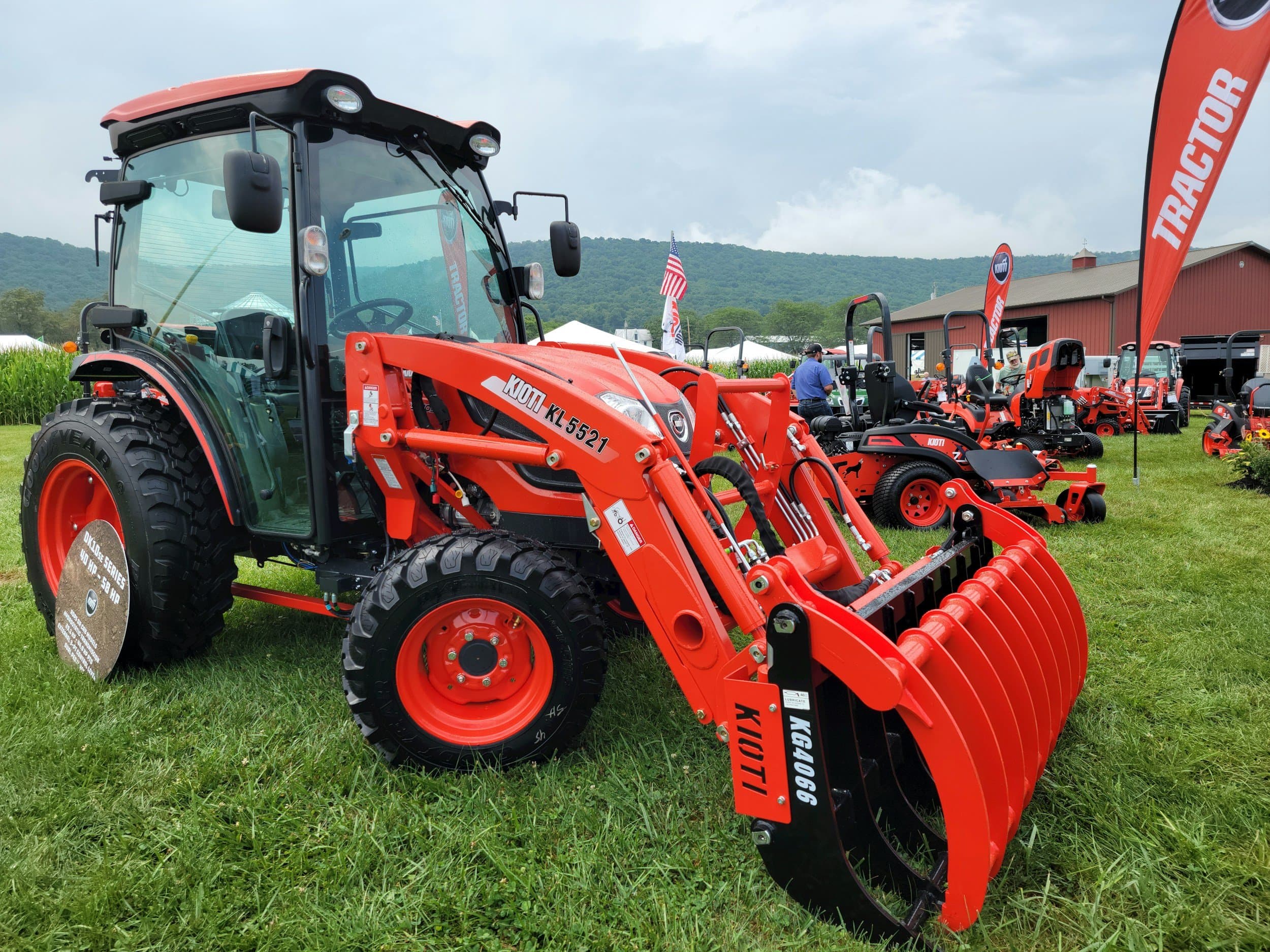
Why remapping matters more to contractors than farmers
An agricultural contractor's income depends directly on machine throughput. A tractor that cultivates more hectares per day, bales more per hour, or travels between farms faster generates more revenue per machine.
A 10% improvement in fuel efficiency on a machine running 1,500 hours per year — typical for a busy contracting tractor — saves significantly more in absolute terms than the same percentage on a farm tractor doing 400 hours. And a 15–25% increase in low-end torque means faster cycle times, heavier implements, and more productive days.
For contractors, the ROI case for tractor remapping is the strongest available.
Fleet remapping — the contracting case
Contracting businesses running 5–20 tractors across a season are the highest-return application for fleet remapping. Every machine saves independently, and fleet pricing on a single farm depot visit reduces the per-machine cost.
A contracting business running 8 tractors of 150–250hp, each saving 10% on fuel across 1,000–1,500 annual hours, realises a combined fleet saving of £8,000–£15,000 per year. At fleet remap pricing, payback across the fleet is typically one season.
Throughput improvement — the revenue side
More torque means more tonnes moved per hour, more hectares cultivated per day, and more bales per shift. For a contractor billing by the hectare or by the tonne, this is direct additional revenue.
A cultivation contractor who can run a larger subsoiler or work faster through heavy clay ground without bogging completes more contracts per season with the same machinery. A silage contractor whose forager maintains speed through heavy maize crop delivers more tonnes per day — and bills more.
Adblue and DPF downtime — the contracting cost
For a farmer, a tractor in degraded power mode for a day is an inconvenience. For a contractor on a tight schedule with a customer waiting, it is a serious problem — penalty clauses, damaged relationships, and emergency callout costs.
Modern contracting tractors are all Tier 4 or Stage V compliant. Adblue and DPF faults are an increasingly common cause of contracting downtime. Resolving these at the same visit as the fleet remap — once, systematically, across the fleet — eliminates the most common source of on-season equipment failure.
How we work with contracting businesses
We plan the fleet visit around the contracting calendar — targeting the pre-season window when tractors are in for service and preparation, or the post-harvest period before winter cultivations begin.
Multiple tractors from the same depot in a single visit attracts the best fleet pricing. We provide a full fleet assessment — make, model, hours, current condition, and any known issues — before the visit, and work through the machines efficiently on the day.
We provide documentation of the work done on each machine, useful for the contracting business's maintenance records and for any future sale of the machinery.
Common Questions
Can you remap tractors spread across multiple depot locations?
Yes — we plan visits to each depot location, working through the fleet at each site. Multiple sites in close proximity can often be covered across consecutive days.
What is the best time of year for a contractor fleet remap?
The pre-season service window (late winter/early spring) or post-harvest (September/October) are the most efficient times — machines are available, and the remap is in place before the busiest season begins.
Can you provide written fuel saving projections for each machine for business records?
Yes — we provide projections for each machine in the fleet based on the consumption data and annual hours you supply. Useful for business planning and accounting.
Do you cover combine harvesters and foragers as well as tractors?
Yes — combine harvesters, forage harvesters, self-propelled sprayers, and other self-propelled agricultural machinery are all within our capability alongside tractors.
Is there a minimum fleet size for fleet pricing?
Fleet pricing applies from 3 machines on the same farm visit. The per-machine rate reduces with volume. Contact us with your fleet list and depot location for a specific fleet price.