
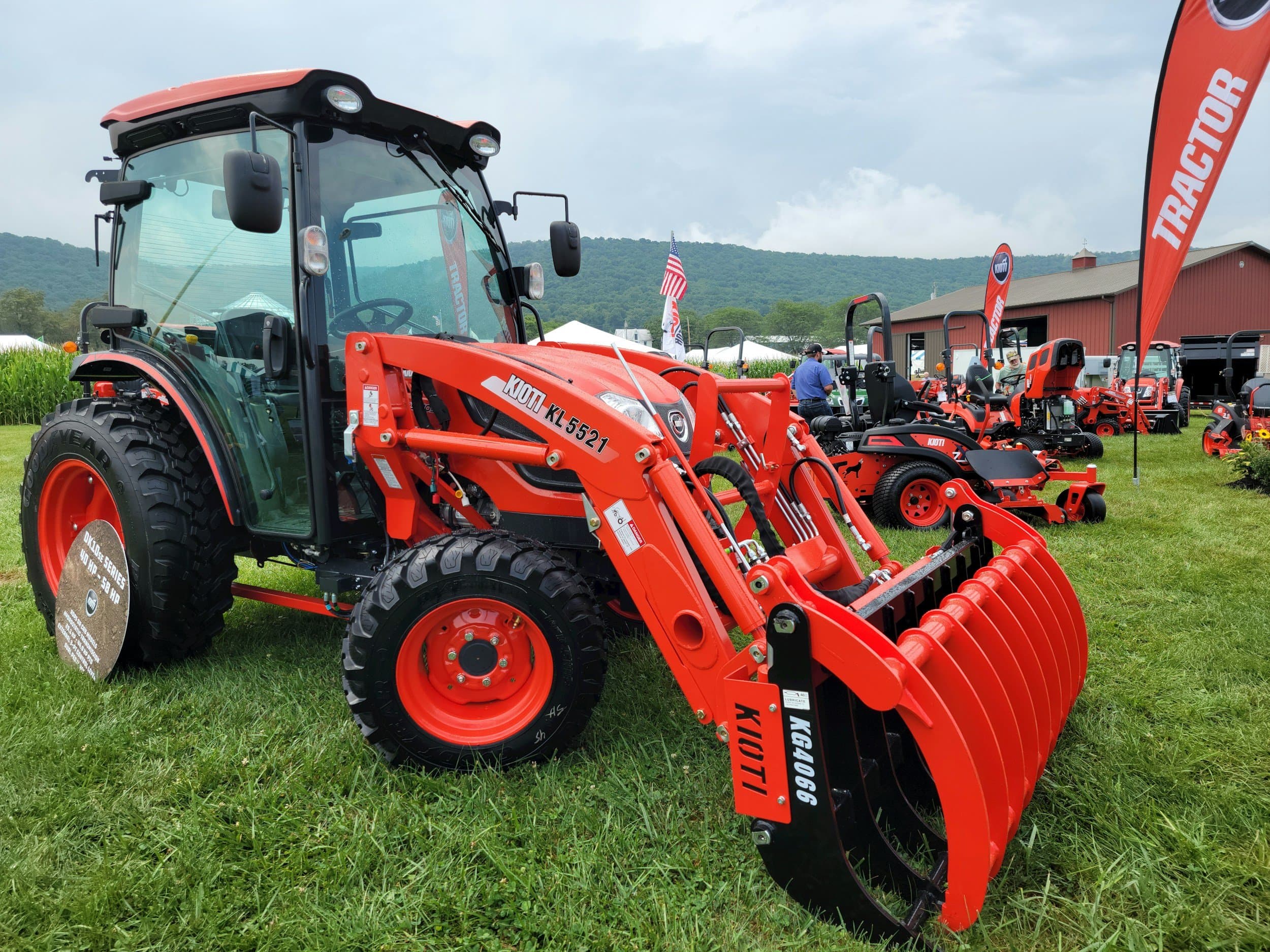
What a DPF does and why tractors have one
A Diesel Particulate Filter traps soot from the exhaust stream. EU Stage IV and Stage V emission standards require significant particulate reduction — the DPF is the primary technology used for this on modern tractors.
Stage IV tractors (from approximately 2014 onwards) are fitted with DPFs either standalone or in combination with SCR (Adblue) systems. The DPF must periodically burn off accumulated soot — a process called regeneration — to maintain its function.
Why DPFs fail on farm tractors
Farm tractors create particularly difficult conditions for DPF systems:
Short work cycles: A tractor doing short field operations — 20–30 minutes on, engine off, repeat — may never reach the sustained exhaust temperature needed for passive DPF regeneration (typically 300–350°C). Soot accumulates faster than it burns off.
Light-load operation: Tractors used mainly for yard work, front loader duties, or slow-speed field work run at lower loads and temperatures than cultivation tractors. Light-load DPF blockage is the most common pattern on mixed-use farm tractors.
Frequent cold starts: A tractor started cold, run briefly, and shut down repeats the low-temperature cycle that prevents regeneration. Tractors shared between farm operations with frequent starts and stops accumulate soot fastest.
Incorrect oil: Using non-low-SAPS engine oil in a DPF-equipped tractor accelerates ash accumulation in the filter, permanently reducing its capacity over time.
Signs of DPF problems on your tractor
The DPF warning light on the instrument panel — check the operator's manual for the specific symbol on your tractor model.
Reduced power — most modern tractor ECUs reduce engine output when DPF soot loading reaches warning levels.
Increased fuel consumption — a blocked DPF increases exhaust back-pressure, making the engine work harder for the same output.
The engine attempting regeneration — some tractors increase idle speed during regeneration, or the regen cycle is shown on the dashboard.
White smoke during operation — the DPF attempting active regeneration.
Options when passive regeneration isn't enough
Forced regeneration: Most modern tractors can perform a stationary forced regeneration via the diagnostic system — heating the DPF to burn off soot. Requires a safe, open area away from dry grass or other flammable material. Takes 20–45 minutes. Only possible if the DPF is not beyond the blocking threshold.
DPF cleaning: Professional DPF cleaning — thermal or pneumatic — restores DPF function when soot and ash have accumulated beyond what regeneration can clear. Requires DPF removal. Effective for soot; ash deposits from incorrect oil cannot be cleaned and permanently reduce filter capacity.
DPF replacement: Where the DPF is physically damaged, cracked, or contaminated beyond recovery, replacement is the route. OEM and aftermarket DPFs are available for most major tractor brands.
Permanent resolution: For tractors where repeated DPF issues are causing unacceptable downtime, a permanent solution may be considered. The appropriate approach depends on the tractor's regulatory category and use — we advise on each case.
Preventing DPF problems on farm tractors
Duty cycle management: Where possible, ensure tractors complete long enough field operations to reach DPF regeneration temperature. A tractor that mostly does short duties benefits from occasional longer runs under load.
Correct oil: Use the manufacturer-specified low-SAPS oil in all DPF-equipped tractors. Non-specification oil is one of the most common causes of accelerated DPF wear.
Act on warning lights early: A DPF warning light caught early — before the filter reaches blocking threshold — can often be resolved with a forced regeneration. Ignored until the tractor goes into reduced power mode, the situation is more serious.
Common Questions
Can you force regenerate a blocked DPF on the farm?
Yes — if the soot loading is within the range where forced regeneration is possible, we can do this on-farm with our diagnostic equipment. If the DPF is beyond the threshold, physical removal and cleaning or replacement is required.
How long does DPF cleaning take?
Physical DPF cleaning requires removal of the filter and typically 1–3 working days including transit to the cleaning facility. We co-ordinate this and advise on the timeline for your specific machine.
Will a DPF fault trigger power reduction on my tractor?
Yes — most modern tractor ECUs limit power when DPF soot loading reaches warning levels. Resolving the DPF fault removes the power limitation immediately.
Can you address a DPF issue at the same visit as a tractor remap?
Yes — we assess DPF status in the diagnostic check at the start of every remap visit. Where forced regeneration is needed, we perform it. Where physical work is required, we discuss the options.
Is it worth cleaning a DPF or should I just replace it?
Cleaning is significantly cheaper than replacement and is effective for soot blockage. If the DPF has ash damage from incorrect oil, or is physically cracked or damaged, replacement is the right answer. We assess and advise honestly.