
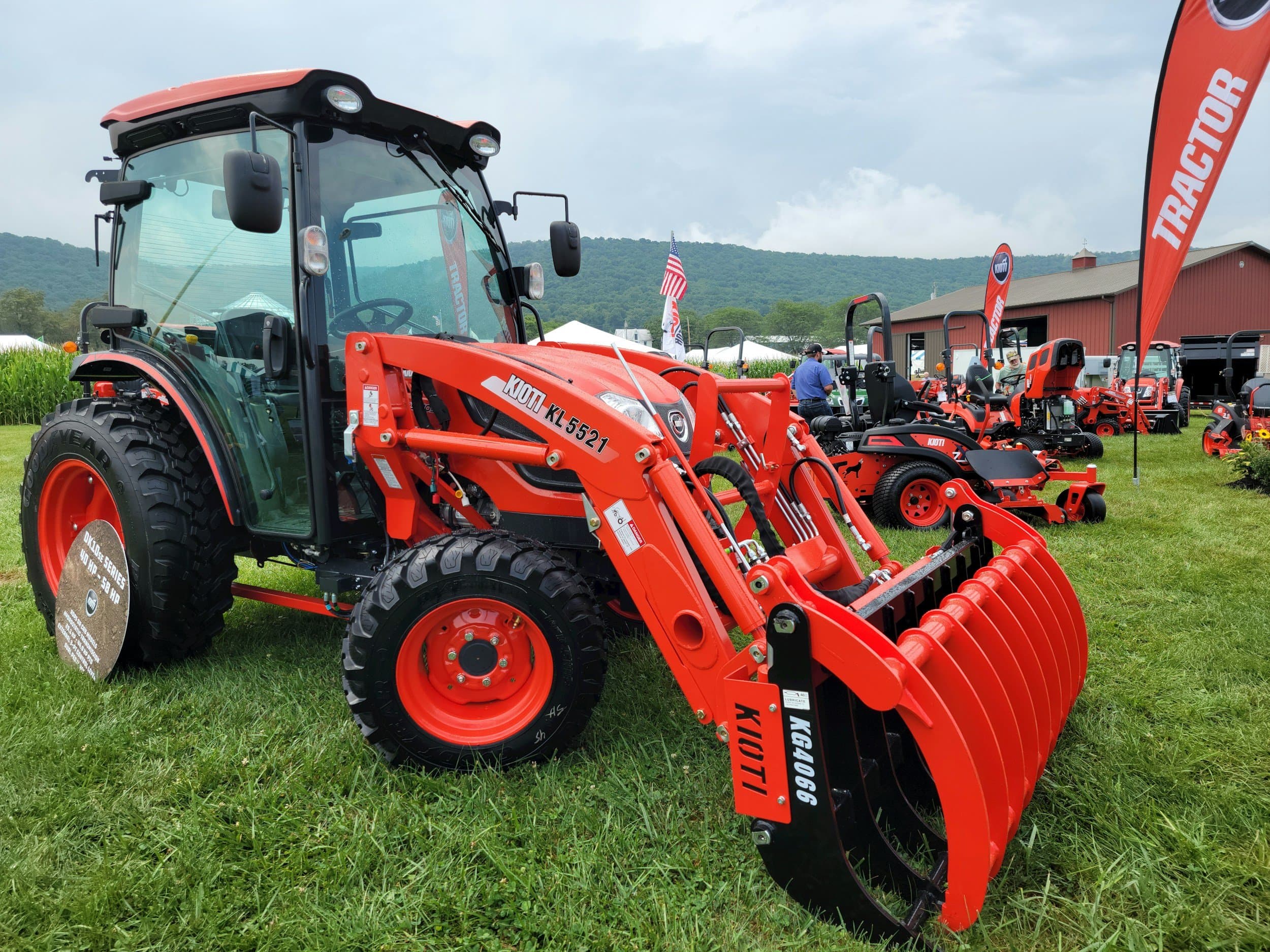
What Adblue is and why tractors have it
Adblue (also called DEF — Diesel Exhaust Fluid) is a urea solution injected into the exhaust stream to reduce nitrogen oxide (NOx) emissions via selective catalytic reduction (SCR). EU Stage IV and Stage V emission regulations for agricultural tractors require significant NOx reduction — the SCR system is the primary technology used to achieve this on modern tractors.
All tractors built to Stage IV standards (approximately 2014 onwards for most power categories) are fitted with Adblue systems. A tractor going into reduced power mode — or refusing to start — because of an Adblue fault at harvest or during a critical cultivation window is a serious problem.
Why Adblue systems fail on farm tractors
Operating conditions: Farm tractors operate in dusty, damp environments that accelerate sensor corrosion and injector fouling. The SCR system is more vulnerable to these conditions than the engine itself.
Temperature cycling: Adblue freezes at -11°C. Spring mornings and overnight temperatures in the field can cause freeze damage to Adblue tanks, lines, and injectors on tractors stored outside.
Short work cycles: Tractors doing short field runs or frequent engine-off periods may not reach the sustained exhaust temperatures needed for effective SCR operation — causing catalyst fouling and sensor drift.
Adblue quality: Non-specification or contaminated Adblue causes injector and catalyst damage. Some agricultural Adblue supplies have higher contamination risk than road vehicle sources.
Age and hours: SCR components — Adblue injectors, NOx sensors, SCR catalysts — have finite service lives. Tractors over 5 years old on original SCR components are increasingly likely to develop faults.
What happens when an Adblue fault triggers
Modern tractor ECUs respond to Adblue faults progressively. A minor fault triggers a warning light. A confirmed fault triggers a torque reduction — often to 60–70% of rated power. In some cases, the tractor will not restart once the engine is turned off.
At harvest or during the silage window, a tractor losing 30–40% of its power in the field is a serious operational and safety problem. Resolving the Adblue fault is the priority — not working around it with a machine in degraded mode.
What can be done about tractor Adblue faults
Fix the underlying fault: Identify and replace the failed component — Adblue injector, NOx sensor, SCR catalyst, or wiring. This is the appropriate approach when the failure is a single component on an otherwise sound system.
Fault code clearing: Clearing the code without fixing the underlying issue provides temporary relief but the fault will recur. Not a long-term solution.
SCR system resolution: For tractors where the SCR system is repeatedly failing — multiple failed components, sensor drift, catalyst deterioration — a more permanent solution may be appropriate. The options depend on the tractor, its regulatory category, and its intended use.
We advise honestly on the most appropriate approach for each specific tractor.
The legal position on Adblue and farm tractors
Off-road agricultural tractors operate under different emission regulations from road vehicles. They are subject to NRMM (Non-Road Mobile Machinery) Stage IV/V standards at the point of manufacture, but do not face the same ongoing in-use testing regime as road vehicles.
Farm tractors do not have an annual roadworthiness test equivalent to the MOT. The practical enforcement landscape is different from road vehicles.
We give honest advice on the legal position for each specific tractor before any work. The position varies by tractor's regulatory category, age, and intended use.
Common Questions
Can you fix an Adblue fault on a tractor at the same visit as the remap?
Yes — in most cases. We attend with full diagnostic equipment and can assess and address Adblue faults at the same farm visit as the remap, minimising downtime.
Why does my tractor keep throwing Adblue fault codes?
Repeated faults usually indicate either a failing component (injector, NOx sensor, catalyst) or a systemic issue (contaminated Adblue, freeze damage, wiring corrosion). A diagnostic assessment identifies the root cause.
Will fixing the Adblue fault restore full power immediately?
Yes — resolving the Adblue fault removes the ECU's power reduction mode, immediately restoring full engine output.
Is it legal to remove the Adblue system from my farm tractor?
The legal position depends on the tractor's specific regulatory category, age, and intended use. We advise on a case-by-case basis before any work — we do not give blanket advice either way.
Does the Adblue system need servicing like the engine?
Yes — Adblue filters, injectors, and sensors have service intervals. Many tractor service schedules include Adblue system checks. Keeping on top of these significantly reduces the risk of unexpected SCR faults.