
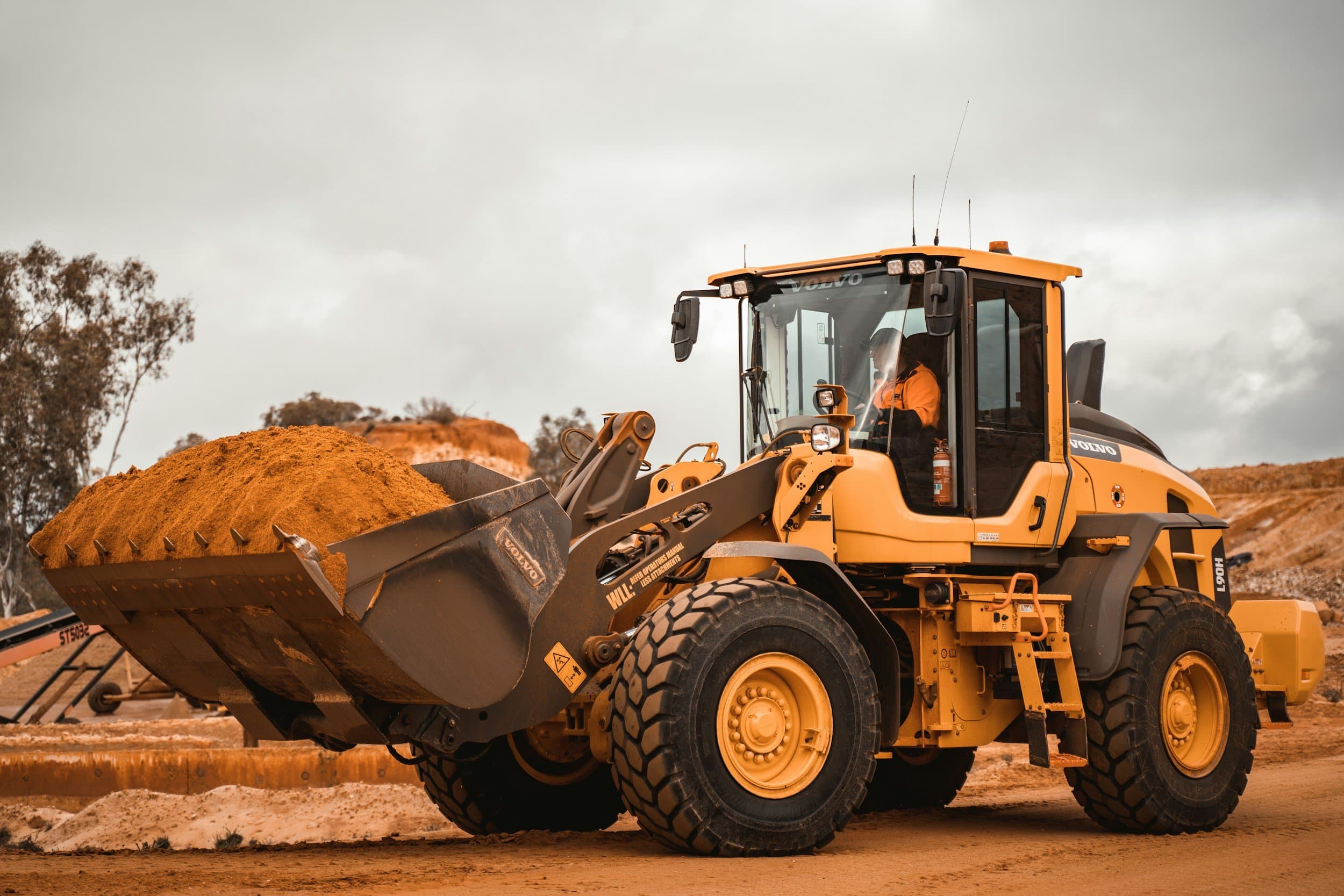
What ECU remapping actually does
Every piece of modern construction plant has an Engine Control Unit — a computer that manages fuel injection timing, turbocharger boost pressure, and power delivery across every combination of engine speed, throttle position, and load.
The ECU runs on a map: a set of values that tell the engine how to behave. Remapping replaces the factory map with a new one, calibrated for your specific machine and operating conditions.
That's it. No hardware changes, no physical modifications to the engine. The change is entirely in the software — the calibration values written to the ECU.
Why the factory map is conservative
The same excavator is sold in Germany, India, Saudi Arabia, and Kazakhstan. The fuel quality differs. The servicing standard differs. The ambient temperature differs. The operators differ.
The manufacturer writes one map that works safely in all of those conditions — including the worst fuel quality, the most neglected servicing schedule, and the most aggressive operator. For the majority of UK operators who use clean fuel and maintain their machines correctly, that conservatism leaves real performance and efficiency on the table.
A remap removes the conservatism for the conditions the machine actually works in. It is not pushing the engine beyond its mechanical capability — it is allowing it to operate closer to that capability rather than at an artificially restricted fraction of it.
What gains are realistically achievable
Torque gains of 15–25% at the lower end of the rev range are typical on modern plant machinery. This is where construction plant does its work — digging, lifting, pushing, and hauling — and where the factory map holds back most. You feel it as stronger bucket breakout force, more push on the blade, and better pull on grade.
Fuel efficiency gains of 8–12% are typical on machines in standard working conditions. This happens because the engine achieves the same amount of work with better combustion efficiency — not because it is working less hard.
On a 20-tonne excavator burning 10–14 litres per hour, an 8% saving is roughly 80–112 litres per 100 hours of operation. On a 40-tonne ADT burning 25 litres per hour, the same percentage is 200 litres per 100 hours.
We do not guarantee specific figures because every machine and duty cycle is different. The numbers above are typical across the machines we remap — but we give honest projections for specific models when you enquire.
Which machines benefit most
Any construction plant with a modern diesel engine and an electronically controlled ECU is a candidate. The machines that benefit most are those that:
Run for long shifts at high utilisation — the fuel saving compounds over hours. A machine running 10 hours per day benefits ten times more per day than one running one hour.
Do heavy, repetitive work — excavators in dig-and-dump, ADTs on haul routes, loaders on continuous loading cycles. The consistent high-load cycle is where better combustion calibration has most impact.
Have had Adblue, DPF, or EGR issues causing downtime — we address these at the same visit.
Are well outside manufacturer warranty — most construction plant over 5 years old.
Excavators, articulated dump trucks, wheel loaders, and bulldozers see the most significant combined gains in torque and fuel economy. Telehandlers, compactors, and graders also benefit, typically with slightly smaller percentage gains.
How long it takes and what it involves
We come to site with all required equipment. A standard plant remap takes 2–4 hours on site from arrival to departure, including the diagnostic assessment before the remap and the verification check afterwards.
The process:
1. Diagnostic check — we read all fault codes and assess the ECU before touching anything. If there are active faults affecting engine operation, we discuss them before proceeding.
2. ECU backup — we create a backup of the original ECU calibration before making any changes.
3. New calibration — we write the remapped calibration to the ECU.
4. Verification — post-remap diagnostic check and an operational test before we leave site.
The machine is back in production the same day in almost all cases. We do not need to take the ECU off the machine or remove any components.
Is plant remapping safe
A remap from a competent tuner working within the engine's mechanical limits is safe. The engine is not being pushed beyond what it is physically capable of — it is being allowed to operate at more of its actual capability rather than an artificially restricted fraction of it.
The risks come from cheap generic maps applied without regard for the specific machine, tuners who do not understand plant ECU systems, and remapping a machine that already has undiagnosed mechanical issues.
We do a full diagnostic assessment before every plant remap. If the machine has faults, we find them before touching the ECU. If the machine is not in condition to remap safely, we say so. We would rather lose a job than damage a machine.
Free & no obligation
Ready to remap your machine?
Tell us the make, model, hours, and site location — same day response.
Common Questions
Does plant remapping affect the manufacturer warranty?
If the machine is still under manufacturer warranty, a remap may affect warranty claims on engine components. Most construction plant is well outside warranty by the time owners consider remapping — typically 5 or more years old. We will give you an honest answer for your specific machine before you commit.
How is plant remapping different from road vehicle remapping?
The ECU architecture is similar — the same families of Bosch, Delphi, and Denso ECUs appear in both plant and road vehicles. The differences are in the operating conditions: plant runs at constant load for long periods, operates in extreme temperatures, and has hydraulic systems that interact with engine load. The calibration accounts for all of these.
Will a remap affect my plant machinery's emissions compliance?
A remap on plant machinery affects the engine's calibration. For off-road plant, the on-road emissions regulations do not apply in the same way as for road vehicles. For specific Stage V compliance questions on newer machines, we advise honestly on a case-by-case basis before any work.
Do you remap plant machinery from all manufacturers?
We work with all major manufacturers — Caterpillar, Komatsu, Volvo CE, JCB, Liebherr, Hitachi, Doosan, Hyundai, Case, Kubota, Bell, Bobcat, Terex, and many more. If you have an unusual or less common machine, tell us the make and model and we will confirm capability before you travel or we attend site.
What documentation do you provide after a plant remap?
We record the ECU file reference, the specific calibration applied, before and after data where measurable, and any fault codes addressed during the visit. You should keep this with your maintenance records.