
The standard plant remap process and its timing
A standard plant remap visit follows a consistent process:
Arrival and setup: 15–20 minutes. Connecting diagnostic equipment, reading the machine, and briefing the operator or site manager.
Diagnostic assessment: 20–30 minutes. Reading all fault codes, assessing the ECU and engine condition. This is not optional — we do this on every visit before touching the ECU.
ECU backup and remap: 30–90 minutes depending on the machine, ECU type, and calibration complexity.
Post-remap verification: 20–30 minutes. Diagnostic check confirming the new calibration is active and no new fault codes have been introduced. Brief operational test.
Total: 1.5–4 hours for a standard remap. We aim to have most machines back in production within a single shift.
Time by machine type
Mini excavators and compact plant (1.5t–8t): 1.5–2.5 hours. Simpler ECU systems, faster calibration process. These machines can often be dealt with efficiently at the workshop if brought in.
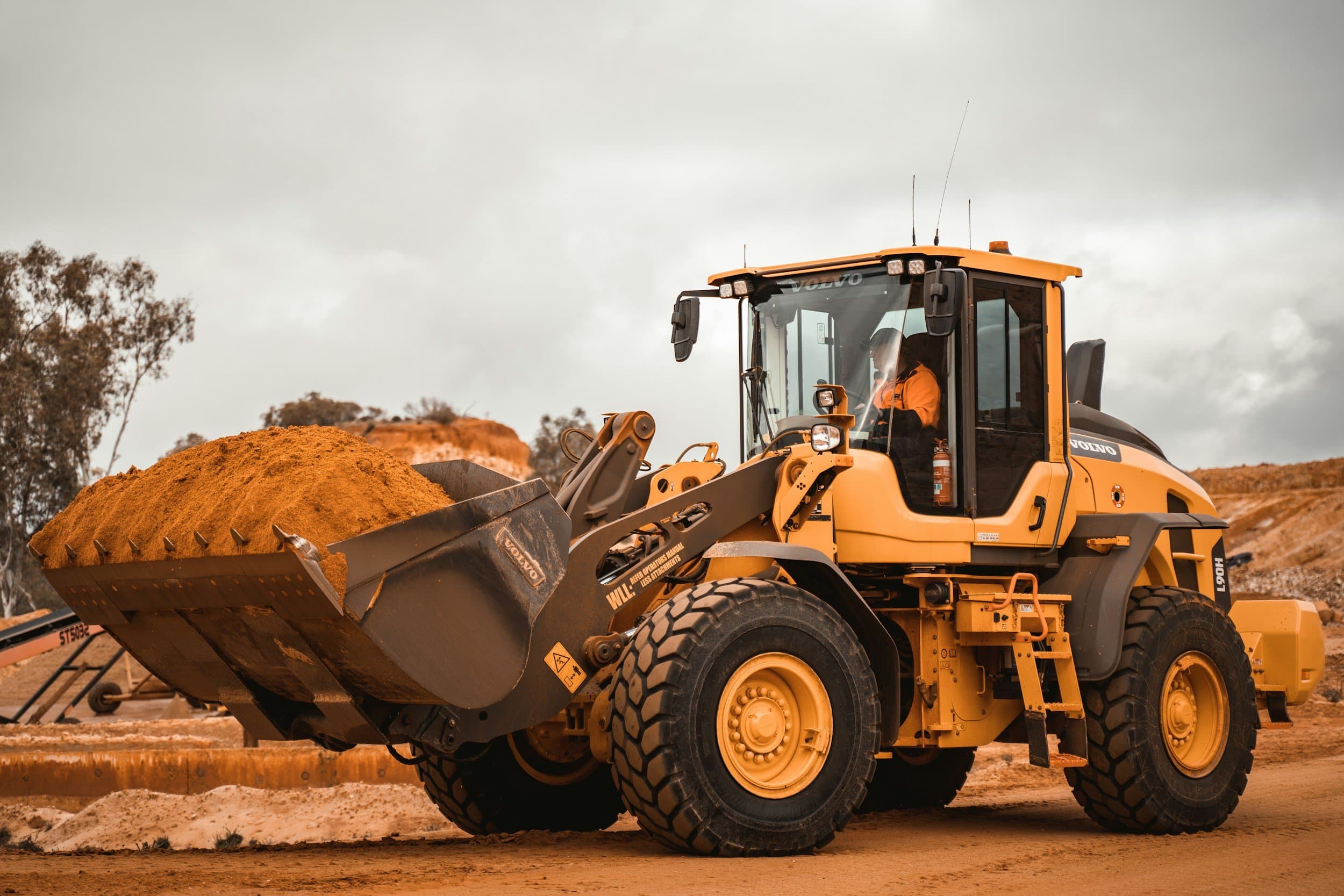
Medium excavators, telehandlers, loaders (10t–30t): 2–3.5 hours. More complex ECU systems, slightly longer calibration. Standard site visit duration.
Large excavators, ADTs, large bulldozers (30t+): 2.5–4 hours. Larger, more complex ECU systems. Some large machine ECU platforms require more time for the calibration process.
Mobile cranes and piling rigs: 3–5 hours. These require specialist ECU access equipment and more careful verification given the safety-critical nature of the application.
Fleet visits (multiple machines): We plan the visit around the number and types of machines. A fleet of 6 ADTs might take a full day; a mixed fleet of smaller machines can be done efficiently in sequence.
What adds time to a plant remap visit
Active fault codes: If the diagnostic assessment reveals active fault codes affecting engine operation, we discuss them before proceeding. Simple fault code clearing is quick; more complex faults take longer to assess.
Adblue or DPF work at the same visit: If emissions system fault resolution is included, add 1–2 hours depending on the issue. A forced DPF regeneration alone takes 30–60 minutes plus setup.
Physical emissions system work: If DPF removal, cleaning, or physical component replacement is required, this adds 2–4 hours and may require a separate visit to a specialist.
ECU access difficulty: Some plant ECUs — particularly on older or less common machines — require additional time to access correctly. We research access methods before attending where possible.
Machine availability on site: If the machine is in active production when we arrive and needs to be taken out of the work cycle, the effective start of the remap may be delayed. We always coordinate with the site team before attending.
Planning for minimal disruption
We work with site teams to plan the visit to minimise disruption to production. The practical options are:
Start of shift: We arrive before the shift starts, complete the remap, and the machine enters production remapped. Works for machines not needed in the first 2–4 hours.
End of shift: We arrive at the end of the working day and complete the remap after the machine comes off production. Machine is ready at the start of the next shift.
During planned maintenance: If the machine is already scheduled for a service or maintenance inspection, combining the remap with planned downtime is the most efficient approach.
Weekend: For sites with strict production requirements during the week, weekend attendance is available.
We discuss the most appropriate timing when you book the site visit. We are experienced at working around site schedules and production requirements.
Free & no obligation
Book a site visit
Tell us the machine, site location, and any timing constraints — we plan around you.
Common Questions
Can a plant remap be done during a lunch break?
Possibly for smaller compact machines (mini excavators, skid steers) where the remap itself is 1.5–2 hours. For larger plant, a full shift or at least start/end of shift timing is more practical.
Do you need the machine engine running throughout the remap?
Not necessarily — the process involves periods with the engine running and periods with it off. We manage this safely and will coordinate with the operator.
Can you remap multiple machines in one day?
Yes — a single site visit can cover multiple machines. We plan the visit to work through the fleet efficiently. The number of machines achievable in a day depends on their type and any emissions work required.
Do you need a qualified plant operator present during the remap?
The operator does not need to be present throughout, but we need the machine to be available and safely positioned for the work. A brief operational test at the end is useful and the operator can assist with this.
What if the remap reveals a more serious problem with the machine?
If the diagnostic assessment identifies a fault that makes remapping inadvisable at that time, we will tell you clearly and advise on what needs to be resolved first. We do not charge for a remap that was not performed.