
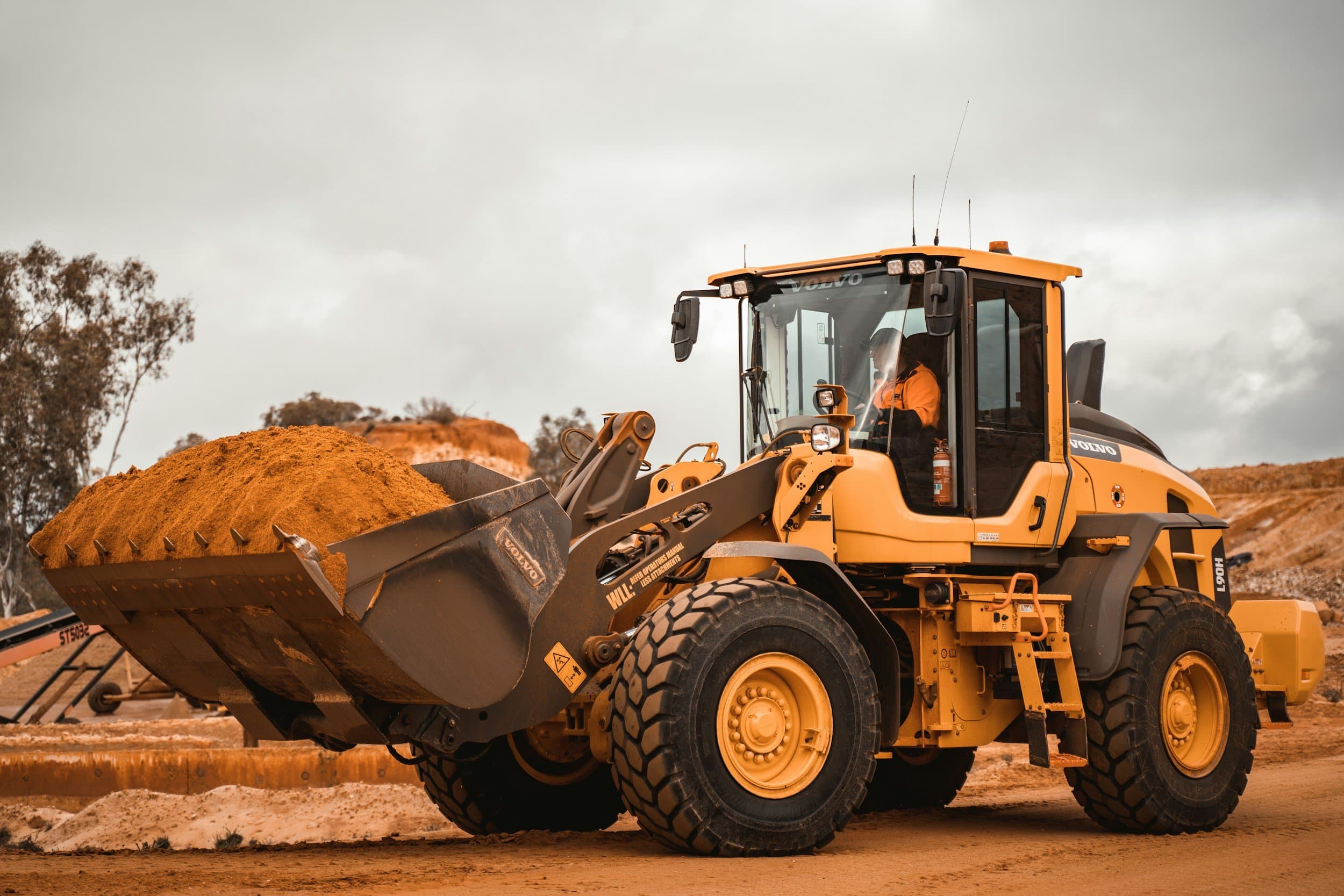
What Stage 1 means for plant machinery
A Stage 1 remap is a calibration change to the ECU only — no hardware modifications. The fuelling, boost pressure, and torque delivery values in the ECU map are optimised for the machine's actual operating conditions without exceeding the safe limits of the existing hardware.
For plant machinery, Stage 1 is the standard and most appropriate approach. Plant engines are designed with significant headroom above the factory-limited output. A Stage 1 remap unlocks a meaningful portion of that headroom safely — typically 15–25% more torque and 8–12% better fuel efficiency — without requiring any physical changes to the engine.
This is what we do on the vast majority of plant remaps. The gains are substantial, the risk is minimal, and there is no downtime for hardware fitting or modification.
What Stage 2 means and how it applies to plant
A Stage 2 remap on a road vehicle involves hardware modifications — typically an uprated intercooler, larger turbocharger, or modified exhaust — alongside an ECU remap calibrated to work with the new hardware. The hardware modifications increase the engine's physical capability, allowing the calibration to push further than a Stage 1 remap can achieve on standard hardware.
For construction plant, Stage 2 modifications are rare and typically unnecessary. Plant engines are built with very significant headroom above the factory-limited output — the engine is physically capable of substantially more than the factory map allows. A Stage 1 remap can realise most of that capability without hardware changes.
Where Stage 2 is occasionally relevant to plant is in specialist competition applications — quarry machines used in pulling competitions, for example — or very specific high-output requirements where every last percentage of performance matters more than daily reliability and cost-effectiveness.
Why plant is different from road vehicles for Stage 2
Road vehicles are closer to their hardware limits from the factory than construction plant. A turbocharged road car runs close to the maximum safe boost the standard turbocharger can deliver — which is why Stage 2 hardware modifications are often needed to go further.
Construction plant operates with much larger safety margins in its hardware. A Caterpillar C15 or Komatsu SAA6D140 engine in a production excavator or dozer is physically capable of significantly more than the factory map asks of it. A Stage 1 remap can reach the practical limit of what is advisable without touching the hardware.
This is one reason why plant remapping typically produces larger percentage gains than road vehicle Stage 1 remapping — there is more headroom available without hardware changes.
When Stage 2 might be relevant to plant machinery
Specialist competition: Machines used in tractor pulling, quarry pulling competitions, or other high-output events where absolute performance is more important than fuel efficiency or long-term reliability.
Specific applications requiring maximum output: In unusual cases where a machine is consistently working at the limit of its remapped output on particularly demanding applications, hardware modifications may provide additional headroom. This is genuinely uncommon.
Heavily used machines with already-upgraded components: If a machine has had previous upgrades — perhaps a replacement turbocharger with higher capacity — a Stage 2 calibration to match the hardware may make sense.
For the vast majority of construction plant in normal commercial use, Stage 1 is the appropriate choice. We will tell you honestly if Stage 2 is relevant to your machine and application.
Free & no obligation
Get the right remap for your machine
Tell us the make, model, and what you want from it — we'll recommend the right approach.
Common Questions
Will a Stage 1 remap damage my plant engine?
A Stage 1 remap from a competent specialist, working within the safe limits of the engine hardware, does not damage the engine. We perform a full diagnostic assessment before every remap and will not proceed if the machine has issues that make remapping inadvisable.
Is a Stage 2 remap available for excavators?
In theory yes, but in practice it is almost never necessary or cost-effective for excavators in commercial use. Stage 1 remapping achieves the meaningful gains from excavators without the cost, downtime, and hardware risk of Stage 2 modifications.
Can I get more than 25% torque gain from a Stage 2 plant remap?
Potentially, on some machines with appropriate hardware modifications. For commercial plant, gains beyond Stage 1 levels are rarely justifiable against the cost and reliability trade-offs.
What's the risk of going too far with a plant remap?
Excessive remapping — pushing beyond what the hardware can safely handle — risks premature wear of turbocharger, fuel system components, and transmission components. This is why we work within safe limits. The goal is reliable gains over the machine's working life, not maximum output for a day.
Do you offer Stage 2 plant remapping?
We can discuss Stage 2 modifications for specific applications where it genuinely makes sense. For the vast majority of construction plant, Stage 1 is the appropriate and recommended approach.