
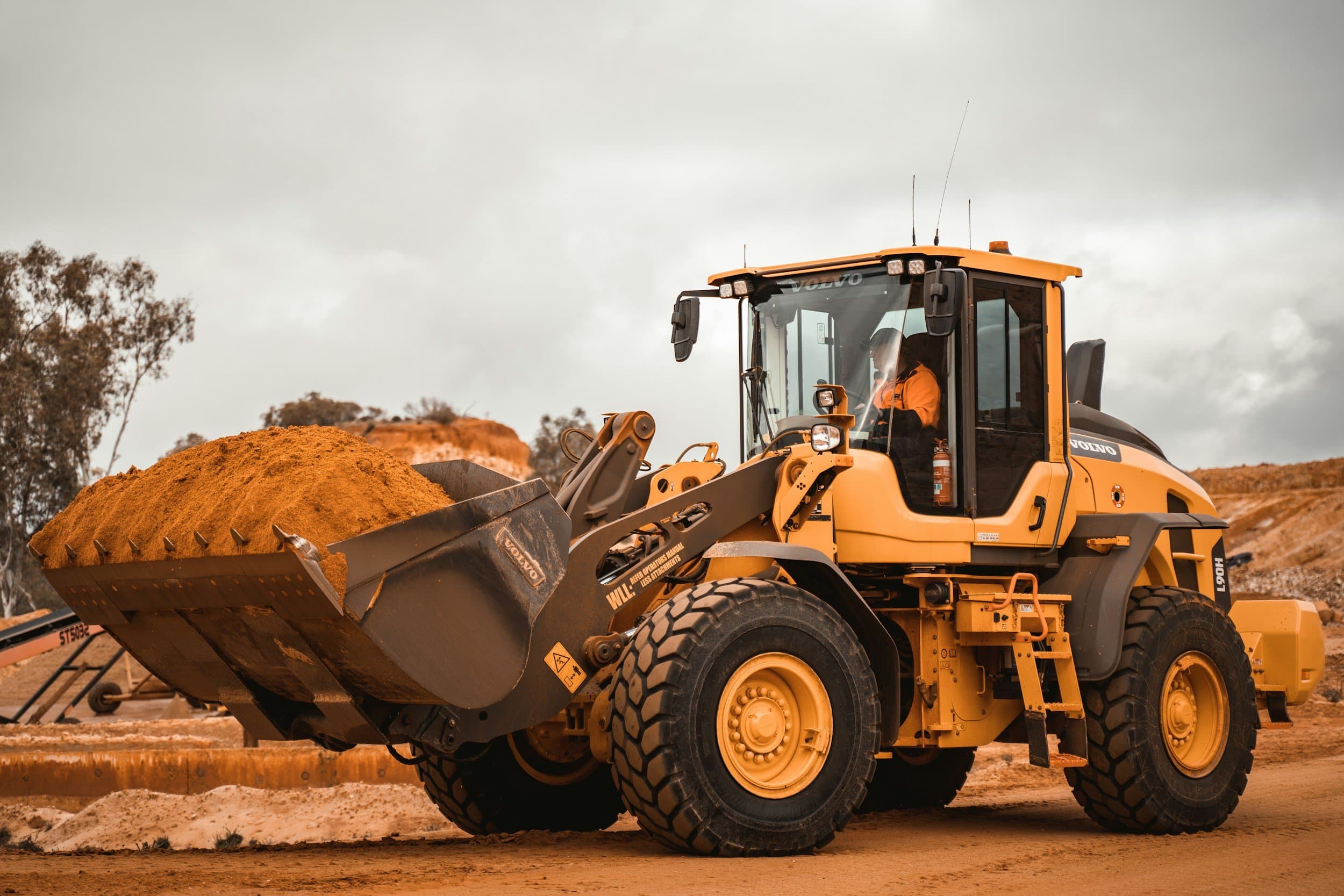
What a DPF does and why plant machinery has one
A Diesel Particulate Filter traps soot (carbon particulate matter) from the exhaust stream. EU Stage IV and Stage V emission standards for non-road mobile machinery require significant particulate reduction — the DPF is the primary technology used to achieve this.
Construction plant built from approximately 2014 onwards is increasingly likely to have a DPF. Machines in the 37–560 kW engine power range — which covers the vast majority of site plant — are all subject to Stage IV or Stage V requirements. Some machines also have SCR (Adblue) alongside the DPF; others rely on the DPF alone for particulate control.
Why DPFs fail on plant machinery
Plant machinery is harder on DPFs than road vehicles for several reasons:
Regeneration conditions: Passive regeneration — the process by which the DPF burns off accumulated soot at normal exhaust temperatures — requires sustained operation above approximately 300–350°C exhaust temperature. Plant machinery frequently runs in conditions that prevent this: low engine load, extended idling, short intermittent work cycles.
Duty cycles: A compact excavator on a residential groundworks job may run at low load for long periods, never reaching the exhaust temperature needed for passive regeneration. Soot accumulates until the filter blocks.
Environment: Construction site dust contamination, water ingress, and physical damage can compromise DPF function in ways that do not affect road vehicles.
Oil consumption: Machines with worn piston rings or valve seals burning engine oil contaminate the DPF with ash — which cannot be burned off during regeneration and permanently reduces DPF capacity.
Signs of DPF problems on plant machinery
Early warning signs include:
A DPF warning light or fault code (the specific indicator varies by manufacturer — check the machine's operator manual for the DPF warning symbol).
Reduced power — the ECU limits engine output when DPF soot loading reaches a threshold, protecting the filter from thermal runaway during forced regeneration.
Increased fuel consumption — paradoxically, a blocked DPF can increase fuel consumption as the engine works harder against increased exhaust back-pressure.
Increased engine idle speed — some machines automatically increase idle speed when attempting passive regeneration.
White smoke on start-up or during operation — can indicate a DPF system attempting active regeneration.
Options when passive regeneration isn't enough
Forced regeneration: Most modern plant machines can perform a stationary forced regeneration — a process initiated via the machine's diagnostic system that heats the DPF to burn off accumulated soot. This requires a safe, open area away from flammable materials and takes 30–60 minutes. Not possible if the DPF is beyond a certain soot loading threshold.
DPF cleaning: Professional DPF cleaning — either thermal or pneumatic — can restore DPF function when soot and ash have accumulated beyond the point where regeneration is effective. This requires the DPF to be removed and sent to a specialist cleaning facility. Effective for soot but does not remove hardened ash deposits.
DPF replacement: Where the DPF is physically damaged, excessively worn, or contaminated beyond recovery, replacement is the appropriate route. OEM and aftermarket replacement DPFs are available for most major plant types.
Permanent resolution: For machines where repeated DPF issues are causing unacceptable downtime, a more permanent solution may be considered. The appropriate approach depends on the machine and its regulatory category — we advise honestly on a case-by-case basis.
Preventing DPF problems on plant machinery
The best approach to DPF management on plant is prevention:
Duty cycle management: Where possible, ensure machines reach operating temperature and run at sufficient load to enable passive regeneration during the working shift. A machine that does light work or idles for extended periods benefits from occasional periods of higher-load operation.
Correct engine oil: Use the correct specification engine oil — low-SAPS (Low Sulphated Ash, Phosphorus, and Sulphur) oil as specified by the manufacturer. Incorrect oil accelerates ash accumulation in the DPF.
Heeded warnings: Do not ignore DPF warning lights. Early intervention — a forced regeneration or professional cleaning — is significantly cheaper than a replacement DPF.
Regular servicing: DPF performance is closely linked to overall engine condition. An engine burning oil or running rich accelerates DPF blockage. Keep the engine in good condition.
Free & no obligation
DPF problem on your plant?
Tell us the make, model, fault code, and site location — we'll advise on the best approach.
Common Questions
Can you force regenerate a blocked DPF on site?
Yes — if the soot loading is within the range where forced regeneration is possible, we can initiate this on site using our diagnostic equipment. If the DPF is beyond the threshold for forced regen, physical removal and cleaning or replacement is required.
How long does DPF cleaning take?
Physical DPF cleaning requires removal of the filter and typically takes 1–3 working days including transit to the cleaning facility. We co-ordinate this process and can advise on the timeline for your specific machine.
Will a DPF fault trigger power limitation on my plant?
Yes — most modern plant ECUs limit engine power when DPF soot loading reaches warning levels. The limitation is a safety measure to prevent thermal runaway during regeneration. Resolving the DPF fault removes the power limitation.
Can a DPF remap fix my plant's DPF problems permanently?
An ECU remap can optimise the regeneration strategy and reduce the frequency of DPF blockage, but it cannot prevent blockage if the machine's duty cycle is fundamentally incompatible with passive regeneration. We advise honestly on the realistic outcome for your specific machine.
Can you address a DPF issue at the same visit as an ECU remap?
Yes — in most cases. We assess the DPF status during the diagnostic check at the start of every remap visit. If a forced regeneration is needed, we perform it. If physical removal and cleaning is required, we discuss the options.